Furnace Leaking Water? Portland Condensate Leak Diagnosis & Repair
Water pooling around your furnace is one of the most common issues Portland homeowners face during heating season. High-efficiency furnaces produce gallons of condensate daily, and when drain lines clog, pumps fail, or heat exchangers crack, that water ends up on your floor. This guide covers the six most common causes and when you need professional help.
Quick Diagnosis: What Type of Furnace Do You Have?
High-Efficiency (90%+ AFUE)
- • PVC (white plastic) vent pipes
- • Condensate drain line present
- • Water production is NORMAL
- • Leak = drainage problem
Standard Efficiency (80% AFUE)
- • Metal flue pipe to chimney
- • No condensate system
- • Water is NOT normal
- • Likely humidifier or AC coil issue
NATE-certified technicians • Same-day service available • Condensate system specialists
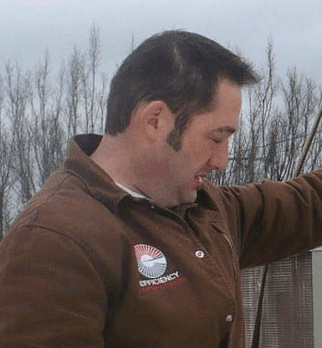
Owner & Lead HVAC Technician
Why Is My Furnace Leaking Water?
If you have a high-efficiency condensing furnace (90% AFUE or higher), producing water is completely normal. These furnaces extract so much heat from combustion gases that water vapor condenses into liquid — typically 3 to 5 gallons per day during heavy Portland heating season use. The issue is not the water itself but where it ends up.
A properly functioning system routes condensate through a drain line (and sometimes a pump) to a floor drain or exterior discharge point. When any part of this system fails, water pools around the furnace base, potentially causing rust damage, electrical shorts, and mold growth.
Portland-Specific Risk Factors
- Heavy heating season (October–April) means more condensate production and more chances for drain clogs
- Older crawlspace installations common in Portland homes make condensate pumps essential but hard to access
- Hard water minerals from Portland’s Bull Run supply can deposit in condensate traps over time
- Seismic activity can shift vent pipe connections and create new leak points
- Basement humidity from Portland rain can mask furnace leaks until significant damage occurs
6 Common Causes of Furnace Water Leaks
Clogged Condensate Drain Line (Most Common)
High-efficiency furnaces (90%+ AFUE) produce water as a byproduct of combustion. This condensate drains through a PVC line, but algae, sediment, and mineral buildup from Portland’s water can clog it. When blocked, water backs up and pools around your furnace base.
Portland-Proven Fix:
Clear the drain line with a wet/dry vacuum or compressed air. We flush the entire condensate system, check the trap, and install an inline filter to prevent future clogs. Typical cost: $125–$200.
Failed Condensate Pump
If your furnace sits below the drain line (common in Portland basements and crawlspaces), a condensate pump moves the water upward. When the pump motor fails or the float switch sticks, water overflows onto the floor instead of draining properly.
Portland-Proven Fix:
Test pump operation by pouring water into the reservoir. Replace pump if motor is dead or float is stuck ($150–$300 installed). We recommend pumps with overflow safety switches that shut down the furnace before flooding occurs.
Leaking Humidifier
Whole-house humidifiers connected to your furnace use a water supply line and internal pad or drum. Cracked water panels, stuck solenoid valves, or corroded fittings cause continuous dripping. The leak often appears to come from the furnace itself.
Portland-Proven Fix:
Inspect humidifier water panel, solenoid valve, and supply line. Replace cracked or mineral-clogged components. We also verify the drain connection to prevent water damage. Typical cost: $100–$250 depending on parts.
Exhaust Pipe Condensation
High-efficiency furnaces vent through PVC exhaust pipes. When flue gases cool before exiting, moisture condenses inside the pipe and drips back. Improperly sloped vent pipes, oversized flue runs, or cold Portland winters make this worse.
Portland-Proven Fix:
Correct vent pipe slope (should angle slightly toward furnace for proper drainage). Insulate exposed sections in unheated areas. We verify the entire vent run meets manufacturer specifications. Typical cost: $150–$350.
Cracked Heat Exchanger
A crack in the secondary heat exchanger allows combustion condensate to leak externally instead of draining through the condensate system. This is a serious issue on furnaces over 15 years old. Portland’s heating season puts heavy cycling stress on heat exchangers.
Portland-Proven Fix:
Professional camera inspection to confirm cracks. Secondary exchanger replacement if available ($800–$1,500), or full furnace replacement ($3,500–$7,500) if the primary exchanger is also compromised. Do not ignore this — it can also leak carbon monoxide.
Improper Furnace Installation or Sizing
Oversized furnaces short-cycle, producing bursts of condensation that overwhelm the drain system. Incorrectly routed drain lines, missing P-traps, or wrong vent pipe materials also cause leaks. We see this frequently in Portland DIY installations and quick-flip renovations.
Portland-Proven Fix:
Full system assessment including Manual J load calculation, vent verification, and drain routing correction. We bring the installation up to manufacturer specs and local code. Typical cost: $200–$500 for corrections.
Call a Professional If:
Water is actively flowing (not just a puddle)
Water is near electrical components or the blower motor
Leak returns after you clear the condensate drain
Furnace is over 15 years old (heat exchanger risk)
Portland Furnace Water Leak FAQs
Related Air Quality Solutions
Water leaks near your furnace create ideal conditions for mold growth in ducts and air handlers. After repairing the leak, consider our mold prevention services to ensure spores have not spread through your HVAC system.
Stop Furnace Water Damage Before It Spreads
A small puddle today becomes rust, mold, and electrical damage tomorrow. Our certified technicians diagnose and fix furnace condensate leaks the same day, protecting your Portland home and your heating system investment.